


Comparison of a Fractional Microplasma Radio Frequency Technology and Carbon Dioxide Fractional Laser for the Treatment of Atrophic Acne Scars
Comparison of a fractional microplasma radio frequency technology and carbon dioxide fractional laser for the treatment of atrophic acne scars
Zhen Zhang 1, Ye Fei, Xiangdong Chen, Wenli Lu, Jinan Chen
Affiliations Expand
Abstract
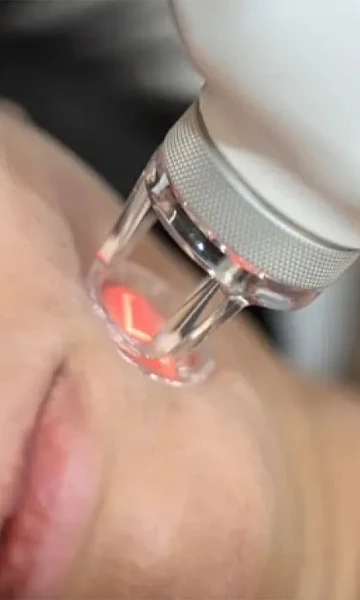
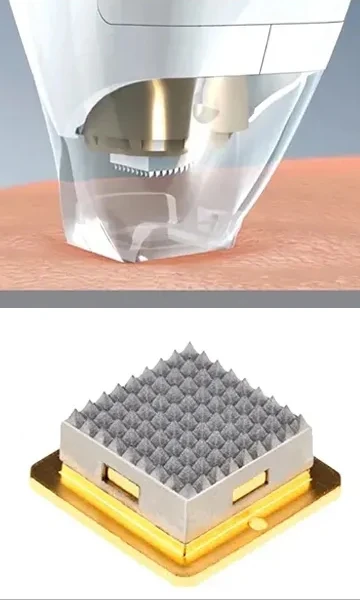
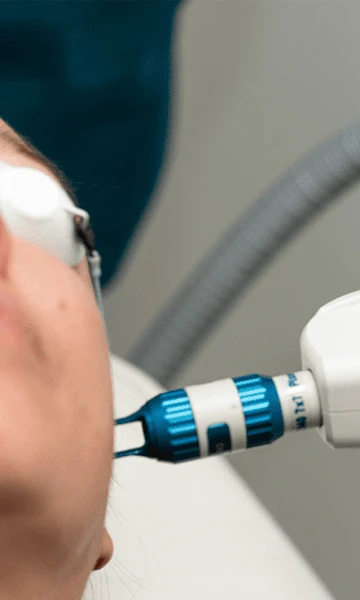
Background: No studies have compared fractional microplasma radio frequency (RF) technology with the carbon dioxide fractional laser system (CO2 FS) in the treatment of atrophic acne scars in the same patient.
Objective: To compare the efficacy and safety of fractional microplasma RF with CO2 FS in the treatment of atrophic acne scars.
Methods and materials: Thirty-three Asian patients received three sessions of a randomized split-face treatment of fractional microplasma RF or CO2 FS.
Results: Both modalities had a roughly equivalent effect. Échelle d'Évaluation Clinique Des Cicatrices d'Acné scores were significantly lower after fractional microplasma RF (from 51.1 ± 14.2 to 22.3 ± 8.6, 56.4% improvement) and CO2 FS (from 48.8 ± 15.1 to 19.9 ± 7.9, 59.2% improvement) treatments. There was no statistically significant difference between the two therapies. Twelve subjects (36.4%) experienced postinflammatory hyperpigmentation (PIH) after 30 of 99 treatment sessions (30.3%) on the CO2 FS side and no PIH was observed on the fractional microplasma RF sides.
Conclusion: Both modalities have good effects on treating atrophic scars. PIH was not seen with the fractional microplasma RF, which might make it a better choice for patients with darker skin.
© 2013 by the American Society for Dermatologic Surgery, Inc. Published by Wiley Periodicals, Inc.
Related Cases